
Understanding Lymphedema: Symptoms and Effective Therapies
- Dr. Loan Lam

- May 17
- 3 min read
Lymphedema is a condition that affects millions of people worldwide, yet it remains largely misunderstood. This chronic condition, characterized by swelling in the limbs due to a compromised lymphatic system, can significantly impact a person's quality of life. Understanding the symptoms and exploring effective therapies is crucial for managing this condition. In this post, we will delve into the intricacies of lymphedema, its causes, symptoms, and the various therapeutic options available.
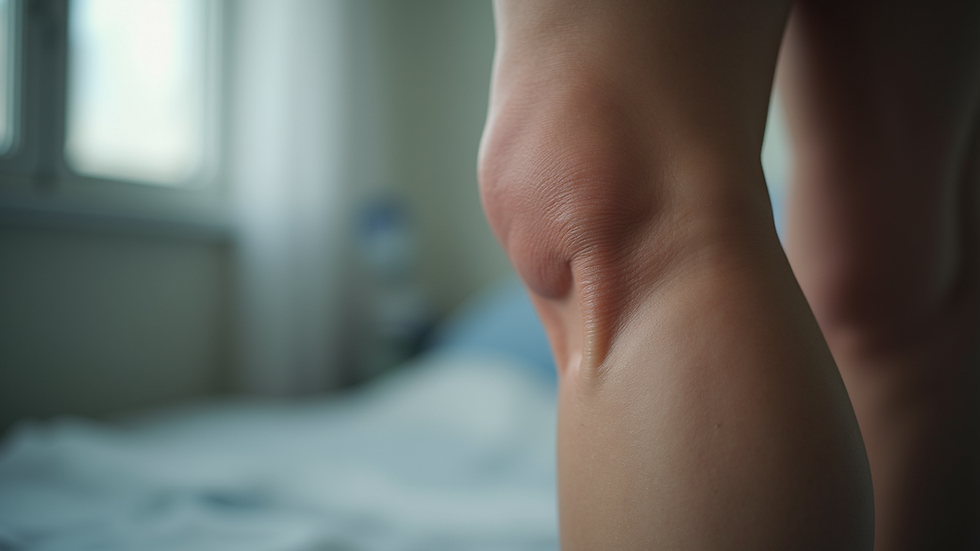
What is Lymphedema?
Lymphedema occurs when lymph fluid accumulates in the tissues, leading to swelling. This can happen due to a variety of reasons, including:
Primary Lymphedema: This is a genetic condition that can occur at birth or develop later in life.
Secondary Lymphedema: This is more common and can result from damage to the lymphatic system due to surgery, radiation therapy, infection, or injury.
The lymphatic system plays a vital role in maintaining fluid balance in the body and supporting the immune system. When it is compromised, it can lead to significant health issues.
Symptoms of Lymphedema
Recognizing the symptoms of lymphedema early can lead to better management of the condition. Common symptoms include:
Swelling: This is the most noticeable symptom, often occurring in the arms or legs. The swelling may be mild at first but can become more pronounced over time.
Heaviness or Tightness: Affected limbs may feel heavy or tight, making movement uncomfortable.
Restricted Range of Motion: Swelling can limit mobility, making it difficult to perform daily activities.
Skin Changes: The skin over the swollen area may become thickened or hardened, and in some cases, it may develop a rash or become more prone to infections.
Pain or Discomfort: Many individuals experience pain or discomfort in the affected area, which can vary in intensity.
Diagnosis of Lymphedema
Diagnosing lymphedema typically involves a thorough medical history and physical examination. Healthcare providers may also use imaging tests, such as:
Ultrasound: To assess the lymphatic system and identify any blockages.
MRI or CT Scans: To visualize the lymphatic vessels and surrounding tissues.
Early diagnosis is essential for effective management and can help prevent complications.
Effective Therapies for Lymphedema
While there is no cure for lymphedema, various therapies can help manage symptoms and improve quality of life. Here are some effective treatment options:
Compression Therapy
Compression therapy is one of the most common and effective treatments for lymphedema. It involves using compression garments, such as sleeves or stockings, to help reduce swelling. These garments apply pressure to the affected area, promoting lymph fluid drainage.
Manual Lymphatic Drainage (MLD)
MLD is a specialized massage technique designed to stimulate the lymphatic system and encourage fluid movement. A trained therapist performs gentle, rhythmic strokes to help reduce swelling and improve circulation.
Exercise
Regular physical activity can significantly benefit individuals with lymphedema. Low-impact exercises, such as walking, swimming, or cycling, can help improve lymphatic flow and reduce swelling. It's essential to consult with a healthcare provider or physical therapist to develop a safe exercise plan.
Skin Care
Proper skin care is crucial for individuals with lymphedema to prevent infections. Keeping the skin clean and moisturized can help maintain its integrity. Additionally, any cuts or abrasions should be promptly treated to avoid complications.
Pneumatic Compression Devices
These devices use air pressure to massage the affected limb, promoting lymphatic drainage. They can be particularly useful for individuals who have difficulty with manual lymphatic drainage or compression garments.
Surgical Options
In some cases, surgical interventions may be necessary. Procedures such as lymphatic bypass surgery or lymph node transfer can help improve lymphatic drainage. These options are typically considered when conservative treatments are ineffective.
Lifestyle Changes to Manage Lymphedema
In addition to medical therapies, certain lifestyle changes can help manage lymphedema effectively:
Maintain a Healthy Weight: Excess weight can put additional strain on the lymphatic system. A balanced diet and regular exercise can help maintain a healthy weight.
Stay Hydrated: Drinking plenty of water can support overall health and help manage swelling.
Avoid Prolonged Sitting or Standing: Taking breaks to move around can help improve circulation and reduce swelling.
Wear Loose Clothing: Tight clothing can restrict lymphatic flow. Opt for loose-fitting garments to promote comfort and mobility.
Support and Resources
Living with lymphedema can be challenging, but support is available. Joining a support group can provide emotional support and practical advice from others who understand the condition. Additionally, many organizations offer resources and information about lymphedema management.
Conclusion
Understanding lymphedema is the first step toward effective management. By recognizing the symptoms and exploring various therapies, individuals can take control of their condition and improve their quality of life. If you or someone you know is experiencing symptoms of lymphedema, it is essential to seek medical advice for a proper diagnosis and treatment plan. Remember, early intervention can make a significant difference in managing this condition. Take charge of your health and explore the options available to you.


Comments